
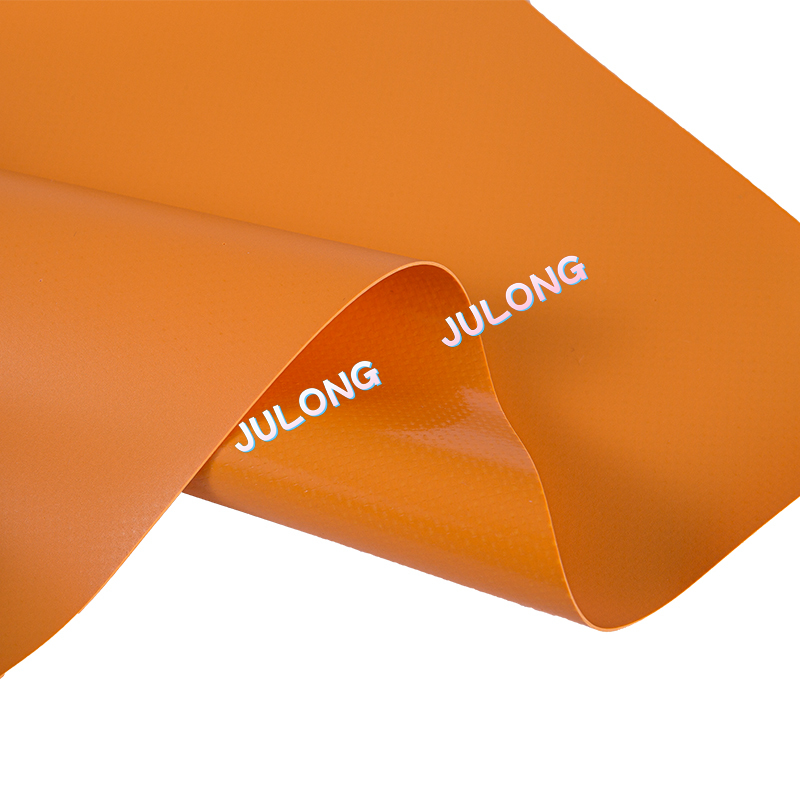
ট্রাক কভারের জন্য টার্প




PTFE আর্কিটেকচার মেমব্রেন is a lightweight, high-performance fabric composed of a woven fiberglass base coated with polytetrafluoroethylene resin, widely used as a structural and roofing material in tensile architecture. This composite material combines the strength of glass fiber with the exceptional chemical stability and weather resistance of PTFE, resulting in a translucent, self-cleaning fabric capable of spanning large open areas without the need for extensive internal support columns. Architects and engineers rely on this material to create striking, lightweight roof structures for stadiums, airports, exhibition halls, and other large-scale public buildings.
Unlike traditional roofing materials such as metal panels or glass, PTFE membrane is engineered to be tensioned into curved, three-dimensional shapes that distribute structural loads efficiently across the fabric surface. This tensioning process, combined with the membrane's inherent durability, allows for architectural designs that would be difficult or prohibitively expensive to achieve using conventional rigid building materials.
The widespread adoption of PTFE architecture membrane in modern building design stems from a combination of physical and chemical properties that few other materials can match simultaneously:
Together, these characteristics make PTFE membrane suitable for demanding applications where longevity, low maintenance, and architectural flexibility are all critical design considerations.
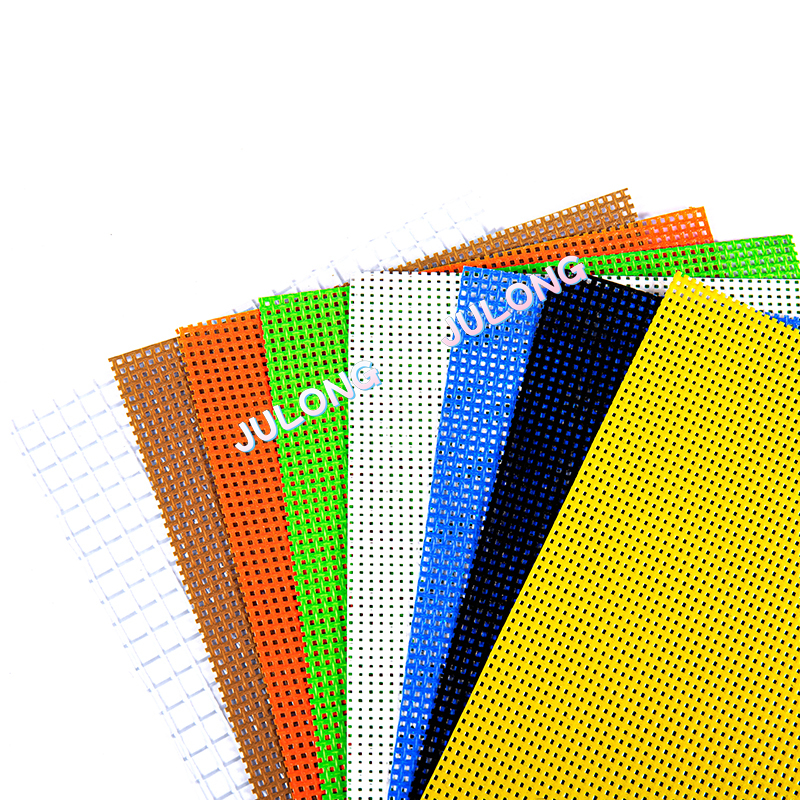
Production begins with weaving high-strength fiberglass yarns into a base fabric, which provides the foundational tensile strength of the finished membrane. This woven substrate is then coated with multiple layers of PTFE resin through a dipping or coating process, followed by a high-temperature sintering stage that fuses the coating into a continuous, protective layer around each fiber.
Multiple coating passes are typically applied to achieve the desired thickness and performance characteristics, with quality control measures in place to ensure uniform coating coverage across the entire fabric surface. The finished membrane is then cut and fabricated into panels according to the specific architectural design, often using computer-aided patterning software to account for the complex curved geometries typical of tensile structures.
PTFE architecture membrane has become a preferred material for a wide range of large-scale structures where both function and visual impact matter:
In each of these settings, the membrane's combination of durability and light weight allows designers to achieve dramatic architectural forms while keeping structural loads and material costs manageable.
যদিও PTFE সবচেয়ে প্রতিষ্ঠিত ঝিল্লি উপকরণগুলির মধ্যে একটি, এটি প্রসার্য কাঠামোর জন্য উপলব্ধ একমাত্র বিকল্প নয়। নীচের সারণীটি PTFE-কে অন্য দুটি সাধারণভাবে ব্যবহৃত ঝিল্লির সাথে তুলনা করে।
Membrane TypeTypical LifespanBest Suited ForPTFE Coated Fiberglass25-35 yearsPermanent large-span structuresPVC Coated Polyester10-20 yearsTemporary or mid-term structuresETFE Foil25-30 yearsLightweight, highly transparent facades
This comparison highlights why PTFE remains the preferred choice for permanent, high-profile public buildings where long service life and minimal maintenance are top priorities.
Successful membrane design relies on a process known as form-finding, where engineers use specialized software to determine the ideal curved shape that distributes tension evenly across the fabric surface. সঠিক উত্তেজনা কুঁচকানো, বৃষ্টির জলের পুকুর এবং স্থানীয় চাপের ঘনত্ব প্রতিরোধ করে যা ঝিল্লির জীবনকালকে ছোট করতে পারে।
Because PTFE membrane is relatively thin, single-layer applications offer limited thermal insulation and acoustic dampening compared to conventional roofing systems. For climate-sensitive or noise-sensitive projects, designers often specify double-layer membrane systems with an air gap or additional insulation material sandwiched between the layers to improve overall building performance.
Since PTFE membrane panels are joined together using heat-welded seams rather than stitching, seam quality directly affects the structure's waterproofing and long-term durability. Working with experienced fabricators who follow strict welding protocols helps ensure seams remain watertight and structurally sound throughout the membrane's service life.
PTFE আর্কিটেকচার মেমব্রেনের সবচেয়ে আকর্ষণীয় দিকগুলির মধ্যে একটি হল ঐতিহ্যবাহী বিল্ডিং উপকরণের তুলনায় এর কম রক্ষণাবেক্ষণের প্রয়োজনীয়তা। The self-cleaning surface significantly reduces the need for manual washing, though periodic inspections are still recommended to check for punctures, seam separation, or accumulated debris that rainwater alone cannot remove.
Facility managers should schedule routine visual inspections, particularly after severe weather events, to identify any damage early and arrange prompt repairs. Because PTFE membrane structures often serve as primary roofing systems for high-occupancy public buildings, maintaining structural integrity through consistent monitoring is essential for both safety and the long-term preservation of the architectural investment.
নতুন এবং পুরানো সঙ্গে জয়-বিজয়ী সহযোগিতা গ্রাহকরা, ভবিষ্যত তৈরি করুন।

9 নং, জিংগং অ্যাভিনিউ, নিংগু সিটি, আনহুই প্রদেশ, চীন।


+86 15397280550
Copyright © আনহুই লংশেং নিউ মেটেরিয়াল টেকনোলজি কোং, লিমিটেড আর্কিটেকচার মেমব্রেন উপাদান প্রস্তুতকারক আউটডোর পিভিসি ওয়াটারপ্রুফ ফ্যাব্রিক সরবরাহকারী
